HISTORY OF BARANGAY BAGACAY
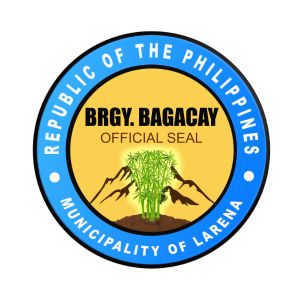
Barangay Bagacay, located in the municipality of Larena, Province of Siquijor, holds a rich cultural and historical significance within the island province. The name “Bagacay” is believed to be derived from the local term for bamboo grass, a plant that once thrived abundantly in the area, symbolizing the barangay’s natural heritage and connection to the land.
The barangay’s history dates back to the pre-colonial period when Siquijor was inhabited by indigenous people who relied on agriculture, fishing, and trade. Bagacay, like many other areas on the island, was covered with lush vegetation and surrounded by fertile lands. Its residents practiced subsistence farming, growing crops like rice and corn, while bamboo and other native plants were essential materials for building homes and crafting tools.
During the Spanish colonization in the 16th century, Siquijor became known as Isla del Fuego, or “Island of Fire,” due to the glow of fireflies in its molave trees. Bagacay, situated in a less prominent part of the island, played a quiet but significant role as a small agricultural community. The Spanish introduced Catholicism, and the establishment of churches and chapels across the island influenced the culture and traditions of Bagacay’s residents.